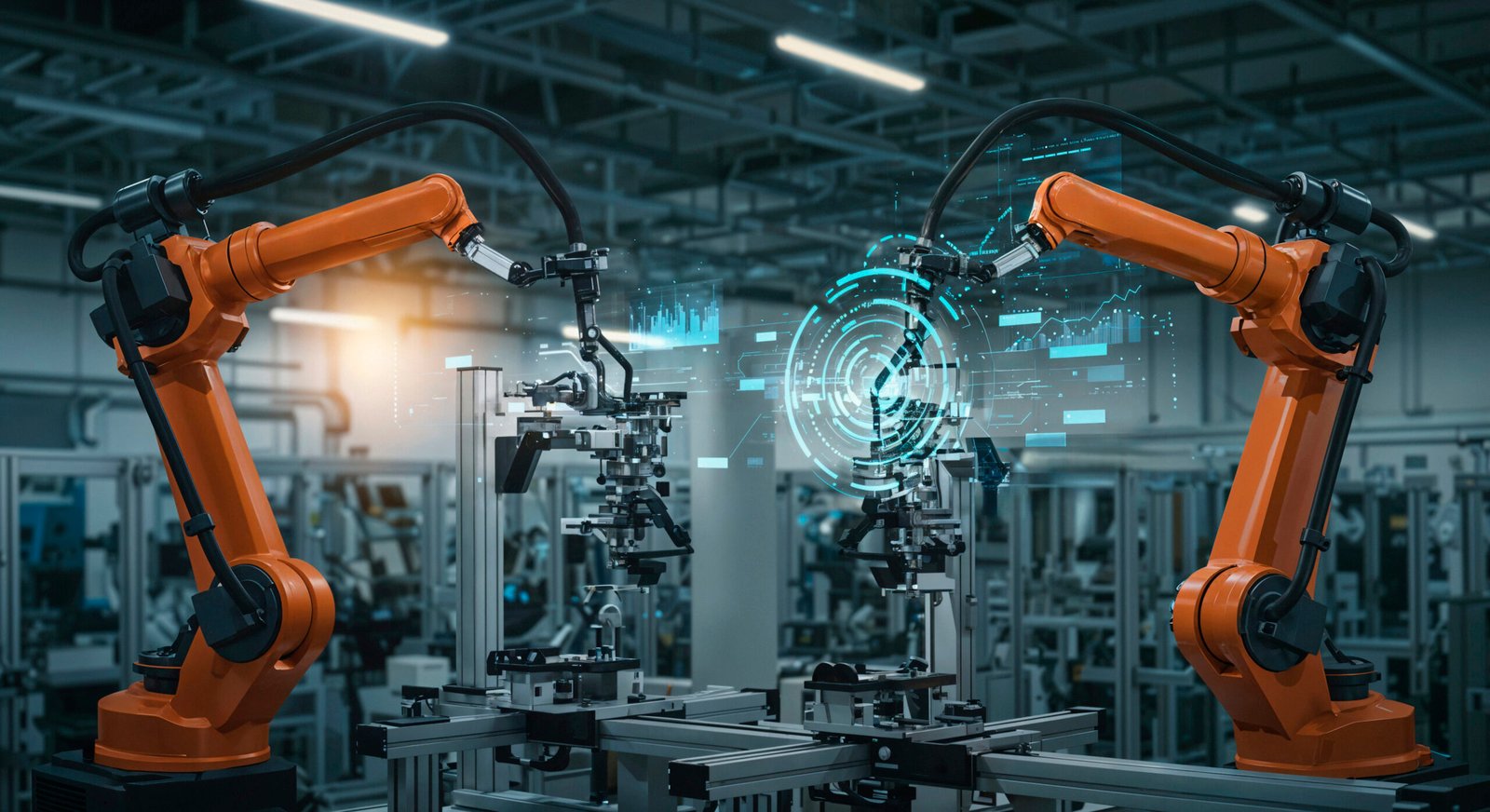
The manufacturing industry is entering a new era driven by digital transformation, intelligent technologies, and connected production systems. Businesses today face increasing pressure to improve efficiency, maintain consistent product quality, reduce operational costs, and respond quickly to changing market demands. To stay competitive, manufacturers are embracing smart automation as a core part of their growth strategy.
Smart automation combines advanced industrial technologies with real-time data, intelligent control systems, and automated processes to create highly efficient manufacturing environments. By connecting machines, equipment, and software, businesses can monitor operations, optimize production, and make informed decisions based on accurate insights.
At C7 Automation & Systems, we help manufacturers, OEMs, and industrial businesses adopt innovative automation technologies that improve operational performance and support sustainable business growth. From supplying world-class automation products to delivering customized engineering solutions, we provide complete support throughout every stage of your automation journey.
This guide explores how smart automation is transforming modern manufacturing and why it has become essential for building future-ready industries.
What Is Smart Automation?
Smart automation refers to the integration of industrial automation technologies with digital communication, real-time monitoring, and intelligent control systems. Unlike conventional automation, smart automation enables machines and equipment to share information, monitor performance, and respond to production changes with minimal human intervention.
These connected systems improve visibility across manufacturing operations while enabling businesses to optimize productivity and reduce downtime.
The Importance of Industry 4.0
Industry 4.0 represents the next generation of manufacturing, where intelligent machines, Industrial Internet of Things (IIoT), cloud connectivity, and advanced automation work together to create smart factories.
By adopting Industry 4.0 technologies, manufacturers can improve operational efficiency, reduce waste, increase production flexibility, and deliver higher-quality products while remaining competitive in rapidly changing markets.
Benefits of Smart Automation
Increased Productivity
Automated production systems operate with greater speed, consistency, and precision, allowing businesses to increase output while reducing manual intervention.
Improved Product Quality
Automation minimizes human error and ensures consistent manufacturing standards, helping businesses deliver reliable products that meet customer expectations.
Real-Time Monitoring
Connected automation systems provide live production data, enabling operators to monitor equipment performance, identify issues early, and make faster operational decisions.
Reduced Downtime
Predictive maintenance and continuous equipment monitoring help detect potential failures before they occur, reducing unexpected machine breakdowns and improving productivity.
Better Resource Utilization
Smart automation optimizes the use of energy, raw materials, and production resources, resulting in lower operating costs and improved sustainability.
Key Technologies Driving Smart Manufacturing
Modern smart factories rely on a combination of advanced technologies, including:
- Programmable Logic Controllers (PLCs)
- Human Machine Interfaces (HMIs)
- Industrial Sensors
- Variable Frequency Drives (VFDs)
- SCADA Systems
- Industrial Communication Networks
- Industrial Internet of Things (IIoT)
- Motion Control Systems
Together, these technologies create efficient, connected, and intelligent manufacturing environments.
Why Businesses Should Invest in Smart Automation
As customer expectations continue to evolve, businesses must adopt technologies that improve flexibility, productivity, and operational efficiency. Smart automation enables manufacturers to adapt to market changes, reduce production costs, improve quality, and prepare for future expansion.
Companies that invest in automation today are better positioned to remain competitive and achieve long-term success in the manufacturing industry.