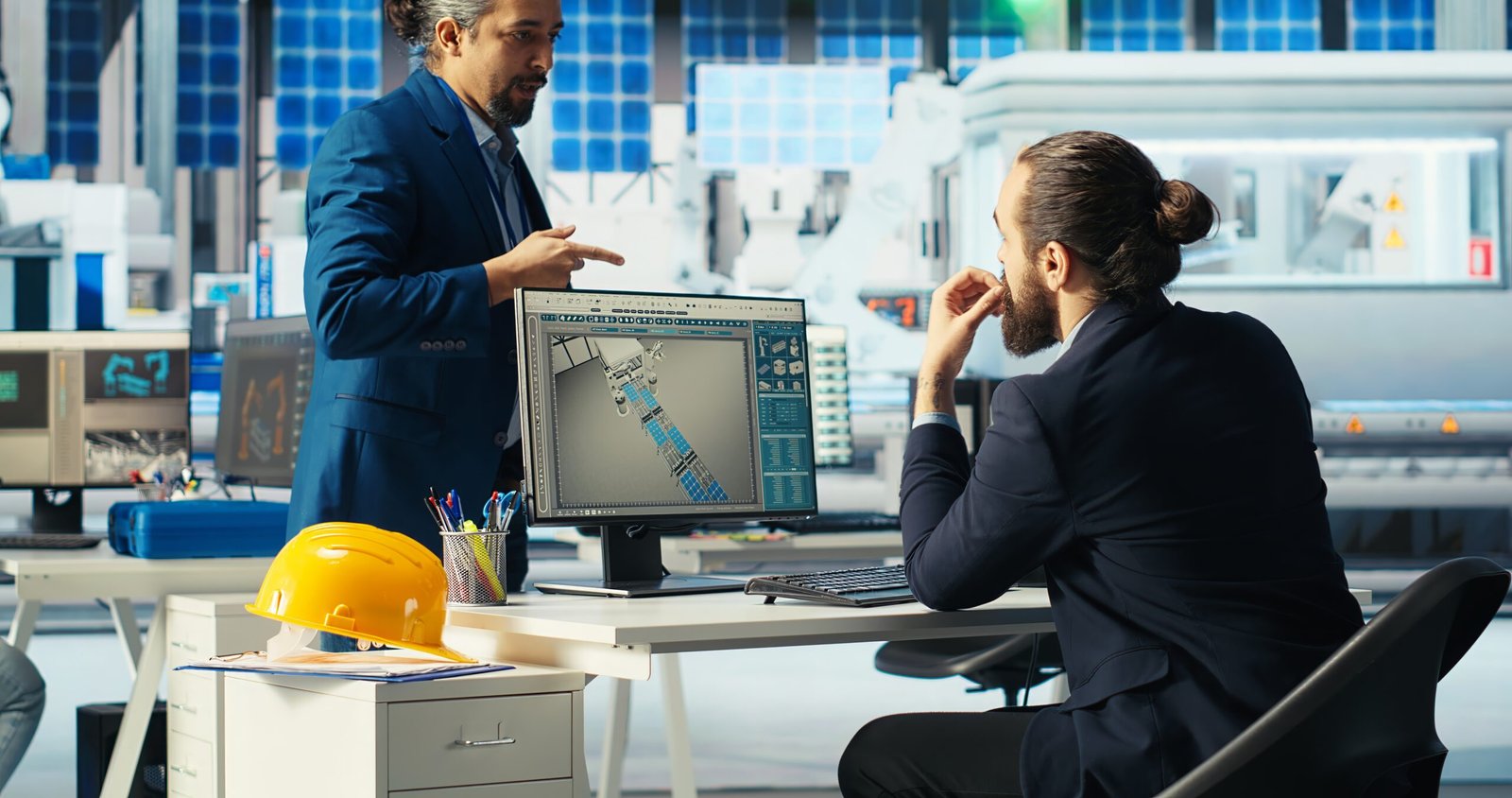
Industrial automation has become a key driver of efficiency, productivity, and innovation across modern manufacturing industries. As businesses continue to adopt advanced technologies, selecting the right automation solution is more important than ever. A well-designed automation system not only improves production performance but also reduces operational costs, enhances product quality, and supports long-term business growth.
However, choosing the right industrial automation solution requires careful planning. Every manufacturing facility has unique operational requirements, production goals, and technical challenges. Investing in automation without proper evaluation can lead to unnecessary expenses, system incompatibility, and reduced efficiency.
At C7 Automation & Systems, we provide world-class automation products and customized engineering solutions that help manufacturers, OEMs, and industrial businesses implement reliable and future-ready automation systems. This guide explains the key factors to consider when selecting the right industrial automation solution for your business.
Understand Your Business Requirements
The first step in choosing an automation solution is understanding your production process and identifying areas that need improvement. Analyze your current operations, production capacity, equipment performance, and workflow challenges before investing in automation technologies.
By clearly defining your business objectives, you can select solutions that deliver measurable improvements in productivity and operational efficiency.
Choose the Right Automation Components
Every automation system consists of multiple components working together to control and monitor industrial processes. Selecting high-quality and compatible products ensures reliable system performance and long-term durability.
Common automation components include:
- Programmable Logic Controllers (PLCs)
- Human Machine Interfaces (HMIs)
- Industrial Sensors
- Variable Frequency Drives (VFDs)
- Servo Motors and Motion Controllers
- Industrial Communication Networks
- Control Panels
- Safety Devices
Using the right combination of these technologies helps create a stable, efficient, and scalable automation system.
Focus on System Integration
An effective automation solution should integrate seamlessly with your existing machinery and production equipment. Proper system integration enables different machines and control systems to communicate efficiently, reducing production delays and improving overall workflow.
Professional engineering support ensures that every component functions together as a complete automation solution rather than as individual systems.
Consider Future Scalability
Manufacturing businesses continue to evolve as production demands increase. Your automation system should be flexible enough to support future expansion without requiring a complete system replacement.
Scalable automation solutions allow businesses to add new production lines, integrate advanced technologies, and increase production capacity while protecting their investment.
Evaluate Energy Efficiency
Modern automation technologies are designed to improve energy efficiency while maintaining high production performance. Energy-efficient motors, drives, and intelligent control systems help reduce electricity consumption and operating costs, supporting both profitability and sustainability goals.
Importance of Professional Engineering Support
Successful automation projects require more than just quality products. Expert engineering services ensure proper system design, installation, programming, testing, and commissioning.
Working with experienced automation professionals minimizes implementation risks and helps businesses achieve maximum return on investment.
Reliable After-Sales Support Matters
Automation systems require regular maintenance and technical support to ensure uninterrupted operation. Choosing an automation partner that offers dependable after-sales service helps businesses reduce downtime and maintain peak system performance.
Support services may include:
- Preventive Maintenance
- Technical Troubleshooting
- System Upgrades
- Spare Parts Support
- Remote Assistance
- On-Site Service
Reliable support ensures your automation investment continues delivering value for years to come.